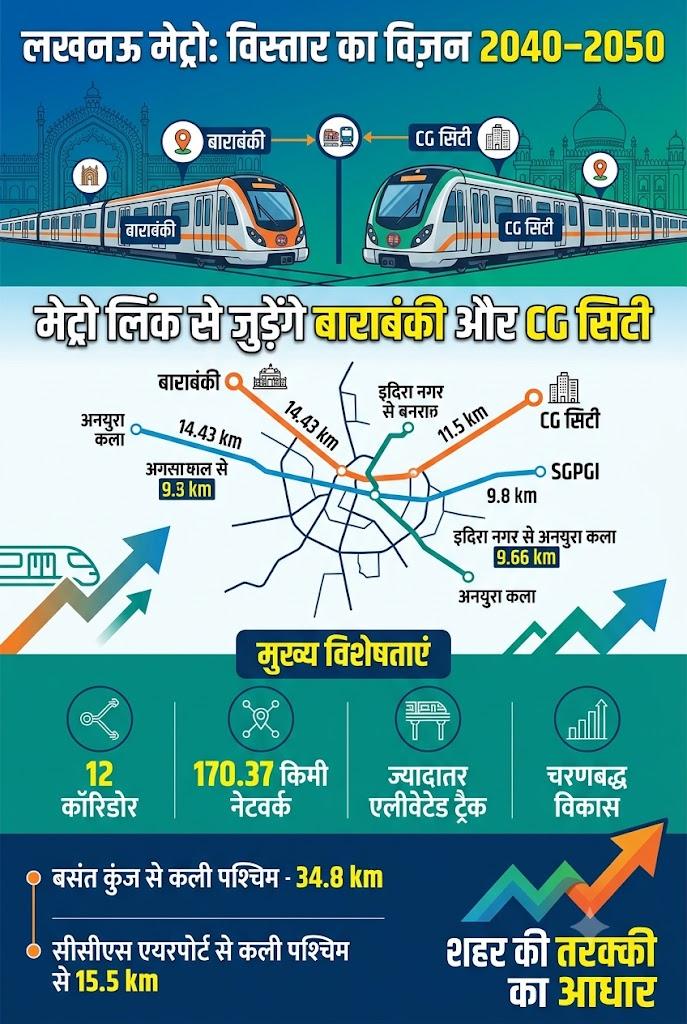
Lucknow is poised for a transformative shift in its urban infrastructure with the unveiling of a draft Comprehensive Mobility Plan (CMP). This ambitious initiative, estimated at ₹30,000 crore, is designed to redefine how the city moves and grows over the next two and a half decades. By focusing on a massive 170.37 km network extension across 12 distinct corridors, the plan seeks to solve the dual challenges of rapid urbanization and escalating commuter traffic, ensuring the city remains functional and accessible through 2040–2050.
Strategic Expansion & Connectivity
The core objective of this expansion is to bridge the distance between Lucknow's bustling city center and its high-growth neighboring areas. The plan specifically prioritizes:
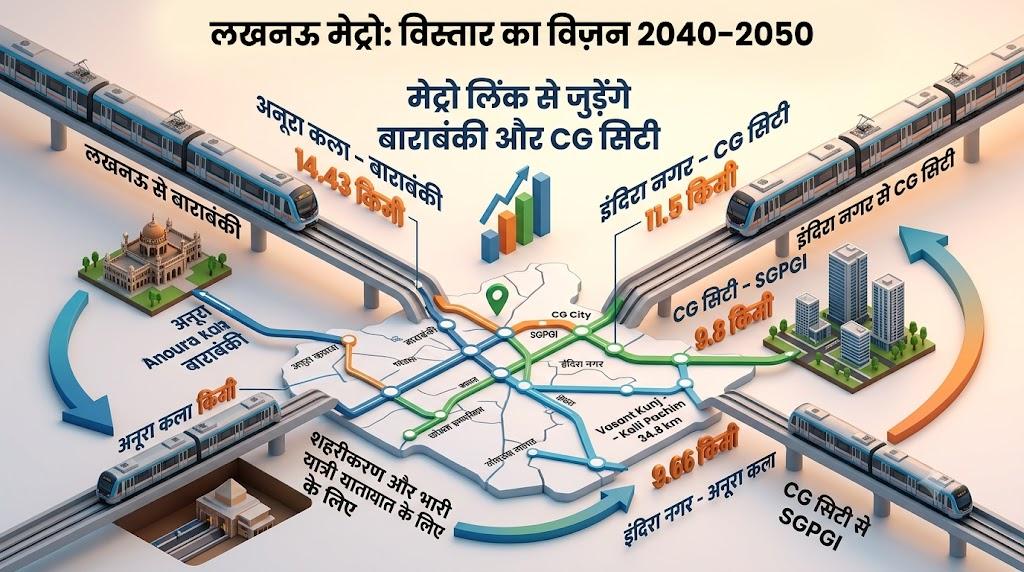
Barabanki Link: A major 14.43 km route from Anaura Kala to Barabanki is set to integrate the neighboring city into Lucknow’s transit orbit, fostering economic and social synergy.
CG City Development: Recognizing the rise of CG City as a premier real estate and urban development hotspot, the plan includes a 11.5 km line from Indira Nagar to CG City and a 9.8 km corridor connecting CG City to the SGPGI healthcare hub.
Future-Ready Bridging: A 9.66 km route from Indira Nagar to Anaura Kala acts as a strategic bridge, laying the foundation for seamless, high-capacity transit toward the Barabanki direction.
Infrastructure Specifications
The proposed network is a mix of high-speed, modern transit technologies engineered for longevity and efficiency:
Network Scale: A robust 170.37 km network featuring 12 corridors that traverse key residential and commercial zones.
Engineering Structure: The project is planned primarily as an elevated system (149.87 km), which is more cost-effective for large-scale expansion, complemented by 20.5 km of underground track in dense, high-traffic areas to minimize surface disruption.
Expanded Reach: Significant routes such as the Vasant Kunj to Kalli Paschim (34.8 km), Rajajipuram to IIM (18 km), and CCS Airport to Kalli Paschim (15.5 km) illustrate the plan’s commitment to connecting critical educational, transport, and suburban hubs.
Implementation and Status
The project is currently at a crucial junction, awaiting formal approval from the state government. Once the green light is received, the administration will move to the next phase: the development of Detailed Project Reports (DPRs) and the finalization of financial models.
The implementation will be carried out in carefully managed phases, ensuring that infrastructure development keeps pace with the city’s evolving needs. By planning ahead for 2050, Lucknow aims to prevent the mobility bottlenecks often associated with rapid urban expansion, creating a transit-oriented growth model that benefits residents, commuters, and investors alike.
Related posts:
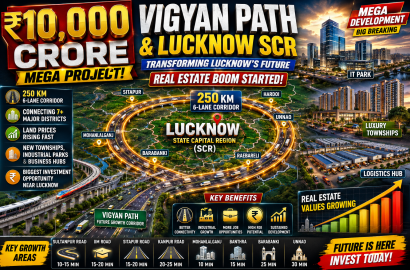
The development of the Lucknow State Capital Region (SCR) and the proposed 250-km, six-lane Vigyan Path corridor is set to redefine the growth landscape of Lucknow and its surrounding districts. This mega infrastructure project is driving land value appreciation, attracting...
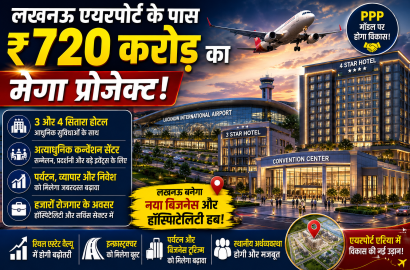
A major ₹720 crore development project is set to transform the area around Lucknow Airport. The project includes modern 3-star and 4-star hotels along with a state-of-the-art convention center under the Public-Private Partnership (PPP) model. It is expected to boost...
 Barabanki: The Next Growth Hub of Uttar Pradesh | SCR to Transform the Future
 Property Measurement Guide Part 2: Acre, Hectare, Bigha, Biswa और भारत की Land Measurement Units
 Kattha, Dhur, Marla, Kanal, Guntha, Decimal और Cent – भारत की प्रमुख Land Measurement Units की पूरी जानकारी
 Property Measurement में होने वाली सामान्य गलतियाँ, Expert Tips, FAQ और निष्कर्ष
 Vigyan Path & Lucknow SCR: The ₹10,000 Crore Mega Development Transforming Lucknow's Real Estate Future